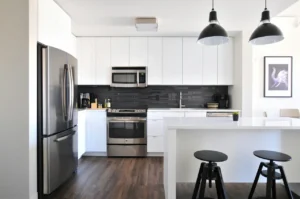
Corporate housing and traditional housing serve different needs. Corporate housing is usually used for temporary furnished stays, while traditional housing is better suited for longer-term residential living. The right option depends on stay length, budget, location, flexibility, and how much setup the traveler or tenant can manage.

Understanding Corporate Housing
Corporate housing typically refers to furnished apartments or homes arranged for temporary or extended work-related stays. It is often used by business travelers, relocating employees, consultants, healthcare workers, government contractors, project teams, and others who need housing for several weeks or months.
Depending on the property and agreement, corporate housing may include furnishings, utilities, internet, kitchen access, laundry options, parking, and guest support. Exact inclusions vary, so travelers and companies should confirm details before booking.
Features of Traditional Housing
Traditional housing usually refers to renting or buying an unfurnished home or apartment for a longer period. It often requires the resident to arrange furniture, utilities, internet, maintenance responsibilities, and other household setup details.
Traditional housing can be a better fit for people who want permanence, community roots, and more control over the home environment. It may be less practical for short assignments, uncertain timelines, or employees who need to move quickly.
Flexibility and Convenience
Corporate housing may offer more flexibility for temporary assignments because the space is furnished and may support shorter stay terms than a traditional lease. This can help professionals avoid sourcing furniture, setting up utilities, or signing a long-term residential commitment.
Traditional housing usually involves longer commitments, more setup time, and additional responsibilities. For travelers with changing project timelines or frequent moves, those requirements may be difficult to manage.
Community and Personalization
Traditional housing usually allows for more personalization and deeper community ties because residents are staying longer and may have more control over decor, repairs, and neighborhood involvement.
Corporate housing is more temporary by nature, but some properties may still offer a residential setting, shared amenities, or access to local services. The level of community and personalization varies by property and stay length.
Cost Considerations
Corporate housing may appear more expensive at first because furnishings, utilities, internet, and other stay-related services may be bundled into the rate. Traditional housing may have a lower base rent but often requires separate costs for furniture, utilities, deposits, internet, maintenance, and moving logistics.
The best comparison is total cost over the expected stay. Companies and travelers should compare rent, utilities, furnishings, parking, internet, deposits, fees, lease terms, extension options, and setup time before deciding between corporate housing and traditional housing.
Choosing Between Corporate Housing and Traditional Housing
Corporate housing can be a practical choice for temporary assignments, relocation gaps, business travel, and project work where furnished space and flexible stay planning matter. Traditional housing is usually better for long-term residential plans, permanent moves, and people who want deeper community roots.
Frequently Asked Questions
What is the difference between corporate housing and traditional housing?
Corporate housing is usually furnished temporary housing for work assignments, relocation, or extended business travel. Traditional housing is usually rented or purchased for longer-term residential living and often requires separate furniture, utilities, and setup.
Who should use corporate housing?
Corporate housing can support business travelers, relocating employees, consultants, healthcare professionals, government contractors, project teams, insurance workers, and others who need furnished housing for several weeks or months.
When is traditional housing a better choice?
Traditional housing may be better for permanent moves, long-term residential plans, deeper community roots, and people who want more control over decorating, maintenance, and household setup.
How should companies compare corporate housing and traditional housing costs?
Companies should compare total cost, including rent, utilities, furnishings, internet, parking, deposits, fees, lease terms, extension options, setup time, and moving logistics.